By Frankie Stein
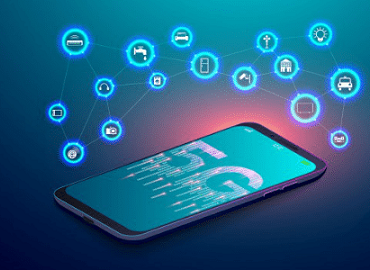
Ever since advent of internet and mobile phones, technological innovations have virtually invaded our day-to-day lives. And, now were on the verge of another great revolution in the mobile communication realm. Yes, you guessed it right! I am referring to the upcoming 5G revolution! With 5G, get ready to experience a completely new way to connect to the web.

By Colleen Jansen
If you are looking to boost your business output or streamline your business operations, an offshore development center (ODC) might be the one you need. Be it stepping up for digital transformation, taking the business online, improving customer experiences, or adopting automation, offshore development center services can set your business for success.